26 July 2026
Support knowledge
Maintenance, support, handover, fault finding, service reports and long-term ownership guidance for smart home, CCTV, AV and network systems.
26 July 2026
24 July 2026
17 July 2026
A proper smart-home support contract should cover networks, CCTV, AV, automation, firmware, documentation, remote support and scheduled checks.
A premium smart home should be reviewed before small issues become disruptive. A maintenance calendar keeps systems current and supportable.
A properly documented smart home is easier to service, upgrade, repair and understand long after the original installation team has left site.
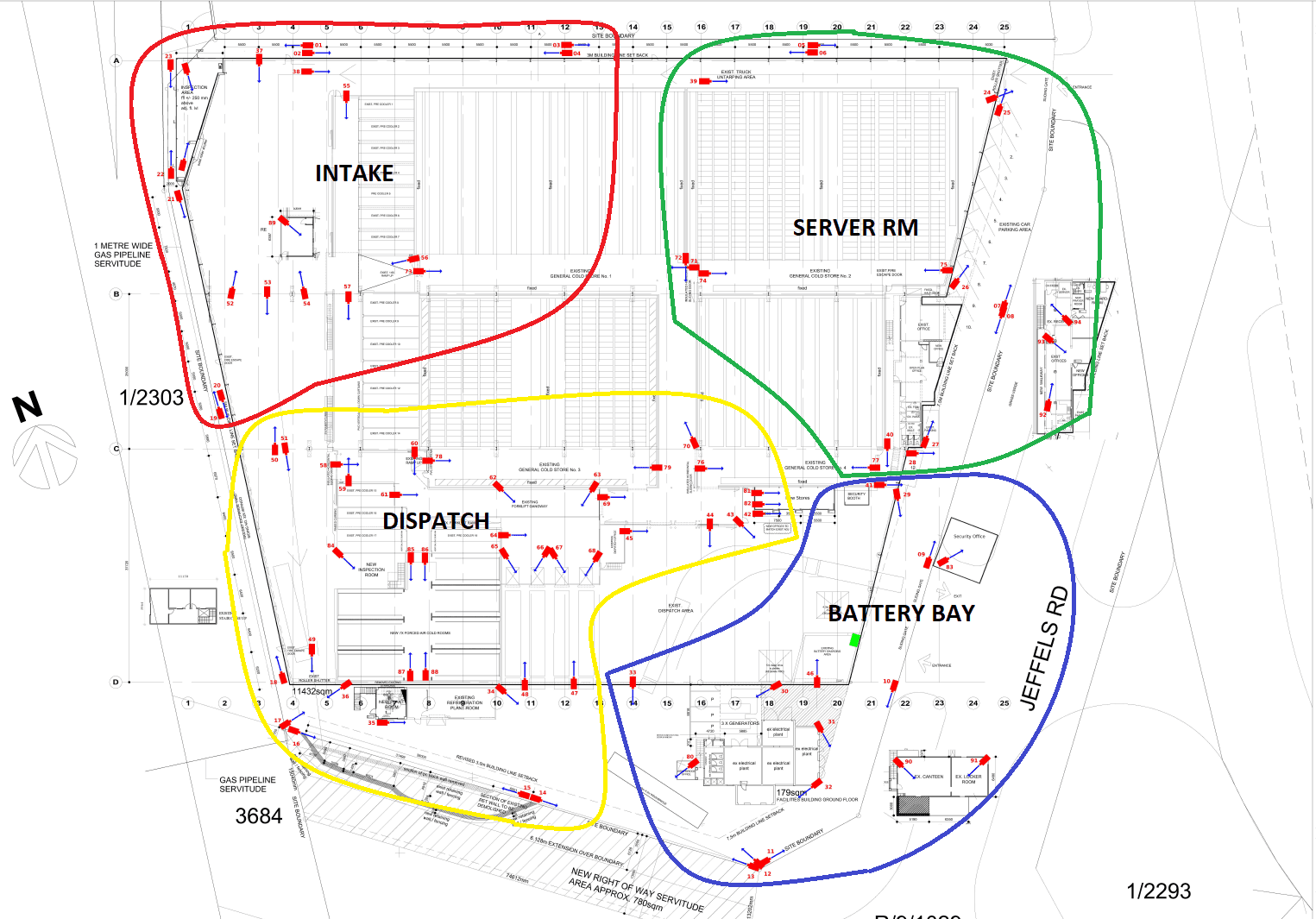
Industrial CCTV support should be planned around operating hours, dispatch, receiving, gate movement and production risk instead of treated like a normal callout.
CCTV camera positions should be confirmed with the client before final handover. View sign-off avoids misunderstandings about what the system covers.
Firmware updates and network changes can affect AV, CCTV, Wi-Fi and automation systems. They should be handled during a planned maintenance window.
When a business cannot afford downtime, CCTV, Wi-Fi, network and PA cutovers need staged planning, extra labour, testing and rollback thinking.
Projectors need access for cleaning, filters, alignment, cabling, replacement and troubleshooting. Handover should record how the projector can be serviced.
Router ownership, admin access and IP reservations affect CCTV, Wi-Fi, automation, AV control and remote support in serious home technology systems.
Small scheduled maintenance visits usually cost less than urgent AV, CCTV, network or smart-home failures after the system has already gone down.
CCTV camera names should match the language used by warehouse supervisors, dispatch teams and operations staff, not only installer numbering.
Older CCTV DVRs show why recording health, hard-drive condition, time settings, remote access and export testing matter before footage is needed.
Older router setups show why IP reservations, port rules, Wi-Fi names, DHCP ranges and network ownership matter in modern home automation.
A smart-home or AV fault often makes more sense when the installer understands the timeline of previous upgrades, router changes, source changes and repairs.
A long-term support record helps identify recurring faults, changes by other trades, power issues and equipment patterns that a once-off callout may miss.
CCTV recorders depend on hard drives. Storage health, recording days and drive age should be checked before footage is needed.
Commercial CCTV names should reflect the way staff, supervisors and managers use the site, not only the order in which cameras were installed.
A private home's technology improves when the installer remembers past decisions, past faults, client preferences and the reasons behind previous upgrades.
Early private-home AV work teaches that the client’s frustration, habits and expectations often explain the system better than the equipment list does.
Private-home support improves when the installer remembers how the client likes to use rooms, remotes, music, cameras, apps and staff access.
Industrial sites that rely on CCTV, Wi-Fi, PA systems and access control should include basic technology status in shift handover.
UPS units protect racks, networks, CCTV and automation systems only if their batteries are healthy. Battery replacement should be planned, not guessed.
Outdoor CCTV reliability depends on proper cable entry, junction boxes and sealing. Silicone after the fact is not a professional waterproofing plan.
Outdoor CCTV cameras collect dust, insects, salt, moisture and spider webs. Cleaning should be part of maintenance before footage becomes unusable.
A rack room or equipment cupboard needs light, space and access. Maintenance becomes harder when the technology area is treated as leftover space.
A good AV and smart home handover should explain what the client can restart safely and what should be left to the support team.
Large homes and commercial sites change constantly during construction. A low-voltage change log keeps AV, CCTV, network and automation decisions traceable.
Photographing cable routes, conduits, speaker positions and access points before ceilings close can make future maintenance and upgrades much easier.
CCTV footage is only useful if the time and date can be trusted. Here is why professional installations need proper recorder time settings and checks.
Construction dust can damage AV, network and smart home equipment. Timing, protection and commissioning discipline matter on active building sites.
Premium AV, CCTV and smart home systems should be handed over with equipment records, serial numbers and warranty information that can be used later.
Existing cables can save money, but only if they are traced, tested, labelled and confirmed before being trusted in a new smart-home or AV design.
A paging system can sound fine in an empty building and fail during real operations. PA systems should be tested under realistic site conditions.
PoE switches power cameras, access points and control devices. Clear port labelling helps avoid slow fault finding and accidental outages.
Leaving correct service length at the head end makes patching, rack dressing, future repairs and equipment replacement easier.
Good Wi-Fi support becomes easier when access points are named according to real rooms, floors and building areas rather than vague technical labels.
A practical maintenance checklist for Crestron, AV, Wi-Fi, CCTV and lighting systems in occupied luxury homes.
Buying a home with existing smart home technology? Check the network, CCTV, audio, lighting, passwords, documentation and support before you inherit the system.
Crestron lighting faults should be diagnosed from the load, keypad, module, power supply, wiring, programming and network before parts are replaced.
Crestron touchscreens, apps and audio controls can feel slow when the underlying network, router, switching or IP addressing has not been managed properly.
Owners who travel or manage properties remotely should check CCTV recording, remote access and backup power before leaving the site unattended.
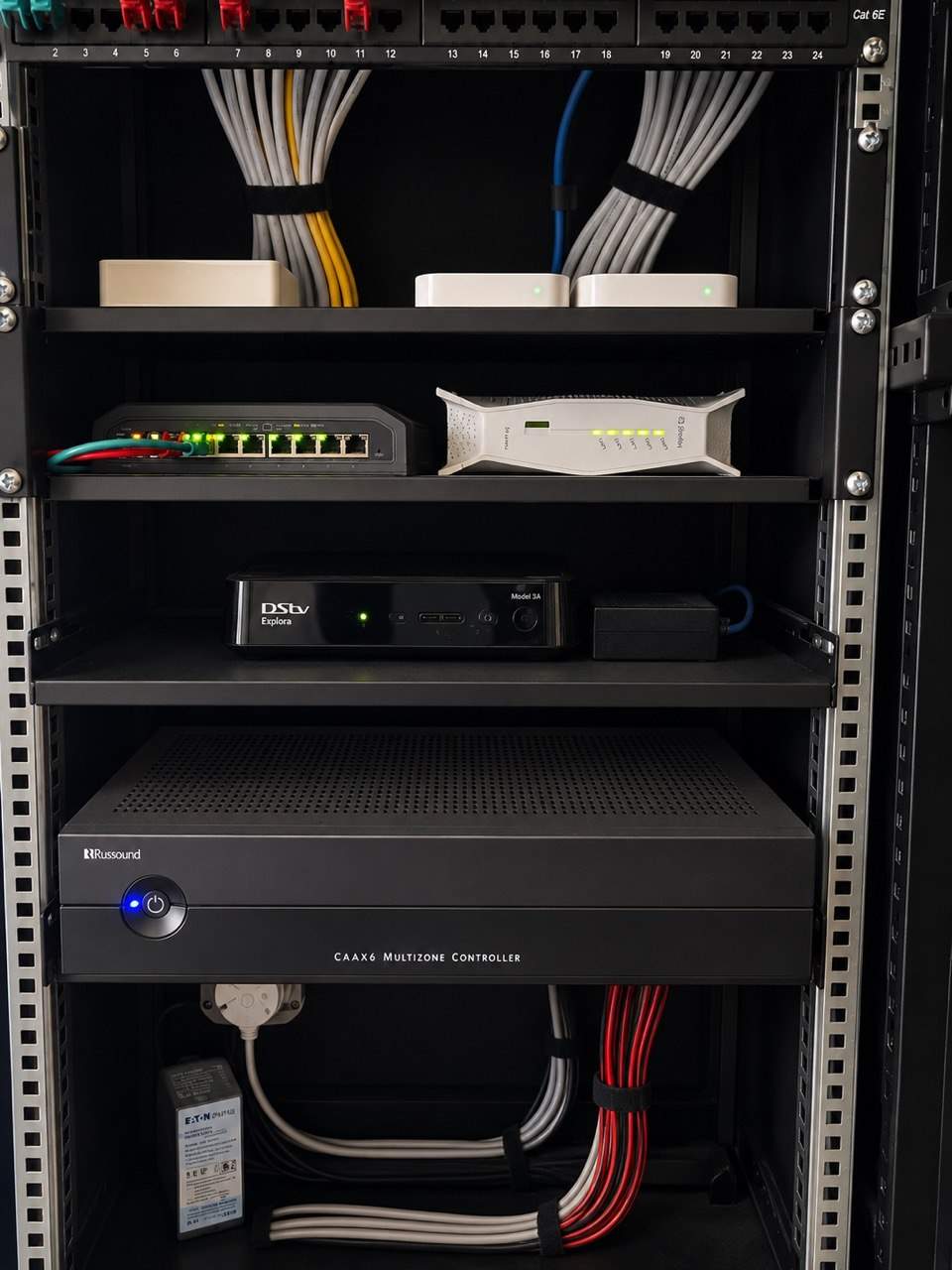
A neat rack is not only about appearance. Door clearance, brush panels and service loops affect reliability, airflow and future fault-finding.
When a Cat cable or control cable fails, the fastest repair often depends on knowing the conduit route, access points and whether the cable can actually be replaced.
When several CCTV faults exist at once, the repair order should be based on security value rather than convenience.
Repeated CCTV camera offline faults are often caused by topology, PoE, uplinks or routing rather than failed cameras.
A router change can break a good CCTV system if camera IP ranges, reservations and gateways were never documented properly.
A CCTV system is not complete because cameras appear on screen. NVR hard drives, recording schedules, remote access and footage playback must be tested before an incident.
Crestron source files, drawings, labels and system documentation protect the homeowner from lock-in, guesswork and expensive support years later.
Crestron and AV support in occupied luxury homes is not only technical. It needs access planning, discretion, house-manager handover and low-disruption work.
A small RJ45 fault can make good IP CCTV cameras drop offline, especially where PoE, uplinks and outdoor conditions are involved.
Why adding extra lights, iPad controls, relays or Crestron functions is not always only programming; the physical panel and spare capacity matter.
Crestron, audio, TV and lighting systems should use room names and source labels the client actually understands before handover, not installer shorthand.
High-mounted CCTV cameras need proper access planning before service work starts, otherwise the real repair may not be possible safely.
A cinema handover should prove that the room works for the family, guests and normal viewing habits, not only a polished installation demo.
Older Crestron homes often depend on iPads, Apple TVs, decoders, amplifiers and source devices that changed over time. Support must diagnose the full chain.
Smart-home handover should not collide with guests arriving, incomplete rooms and last-minute snags. Move-in week needs a technical readiness buffer.
TV mounting is only part of the job. Decoder location, IR control, source naming and remote handover should be planned before brackets and cabinetry are final.
Smart home handover should include account ownership, passwords, app access, router credentials, CCTV users, remote support and secure removal of old users.
A practical smart-home and networking article on why spare cables disappear, why future routes must be labelled, and why documentation protects upgrades.
Moving or swapping CCTV cameras can restore urgent coverage, but temporary repairs must be documented and followed up properly.
Temporary smart home fixes can be useful during renovations, fibre changes or phased upgrades, but they need documentation and a permanent plan.
A field-based explanation of how a single faulty relay, power supply or control device can create wider symptoms in a Crestron or smart-home system.
A neat rack is not only about labels. Separating cameras, Wi-Fi access points, touch panels and control devices makes large home networks easier to support.
CCTV camera views can be blocked by trees, gardens, new walls, pergolas and outdoor changes. Coverage should be reviewed as the property evolves.
No signal does not automatically mean the TV, HDMI extender or decoder is faulty. A good AV technician isolates each part of the path before replacing equipment.
Guest TV problems are often caused by shared decoders, IR bugs, relay settings and remote modes, not by the TV itself.
HDMI faults can come from the source, amplifier, extender, cable, display or projector input. Guessing wastes time; methodical fault isolation finds the real issue.
CCTV handover should include the people who use the system daily, including house managers, guards, reception staff and operations teams.
A practical look at why gate and internal intercom systems can buzz, hum or crackle, and why cable routing matters as much as the device itself.
A recorder can look fine until playback is needed. NVR health checks should confirm drives, recording schedules, time, camera status and remote access.
CCTV recording time depends on camera count, resolution, frame rate, compression, motion and risk. Retention should be designed around how the footage will be used.
Shared DSTV systems can become confusing when decoders, UHF channels, TV links and remote modes are not planned as one system.
A CCTV system is only useful after an incident if the right person can find, export and preserve the correct footage without panic.
A CCTV system is only useful if footage can be found and exported quickly. Playback and retrieval should be tested before something happens.
Many CCTV installations work on day one, then fail later because of poor cabling, weak networks, bad handover, recorder issues or power problems.
CCTV support becomes difficult when nobody knows who owns the app account, recorder login, passwords or remote access permissions.
Boardroom AV failures usually come from weak design: poor audio, missing cables, unreliable networks, confusing controls and no support documentation.
After power outages, routers, switches, NVRs and cameras may not recover in the right order. A restart plan improves CCTV reliability.
CCTV reliability depends on cable routes, labels, containment, cabinets and documentation long after the cameras are installed.
A CCTV camera can be the right model in the right location and still fail if the mounting surface moves, vibrates or cannot be serviced.
Camera names, room labels and site naming conventions make CCTV easier to use, support and search when footage is urgently needed.
CCTV faults are often caused by power, cabling, network, recorder, app and handover problems rather than the camera alone.
AV equipment hidden in cabinets still needs airflow. Heat can cause HDMI dropouts, amplifier shutdowns, intermittent video and premature equipment failure.
When a premium home suddenly has no sound, no TV signal or no music during a busy weekend, the fastest diagnosis often starts by finding what changed.
Outdoor audio needs careful speaker direction, amplifier loading, volume limits, source control, neighbour awareness and weather-aware commissioning.
Short photos and videos can help a support team understand AV, CCTV, Wi-Fi and smart-home faults before sending a technician, saving time and reducing guesswork.
Rack photos, labels and handover records help future support teams understand AV, networking, CCTV and automation systems without guesswork.
Smart-home app room names, source labels and scenes should use the language of the household, not installer shorthand or equipment names.
Remote batteries, UPS batteries, IR emitters, patch leads, power supplies and small accessories can stop expensive AV systems if they are ignored.
Firmware updates can improve systems, but unmanaged updates can also break AV, Wi-Fi, CCTV and automation. Premium homes need a controlled update process.
Premium AV and smart-home systems should be designed around how the home is cleaned, handled and used every day, not only how it works during handover.
A support runbook helps homeowners, house managers and technicians understand what to check first when Wi-Fi, CCTV, AV or automation behaves strangely.
KZN holiday homes should be checked before owners or guests arrive, especially when Wi-Fi, CCTV, audio, DSTV, automation and power systems sit unused for weeks.
Infrared control may feel old-fashioned, but DSTV decoders, TVs, amplifiers and guest rooms still often need reliable IR planning.
Long HDMI routes can cause blank screens, handshake issues and audio problems. Large homes need proper cabling, extenders, fibre and service access.
Large private homes need a simple operational checklist for Wi-Fi, CCTV, gates, AV, lighting scenes, remotes, rack power and support reporting.
Why professional smart home and Crestron installations need proper router management, IP reservations, network control and secure remote access.
A smart-home rack is not just a cupboard for equipment. Heat, airflow and access can decide whether the system remains reliable.
In South Africa, a premium smart home must recover cleanly after outages, inverter changeovers and network restarts. That needs deliberate planning.
Many AV support calls come from unclear source names, missing remotes, powered-off decoders and handovers that did not match how the home is used.
A smart home is not only the equipment installed on day one. It should be designed so it can be maintained, repaired and understood years later.
Remote support and remote viewing are valuable, but they must be planned with security, ownership and long-term support in mind.
Remote and cross-border smart home projects need clearer drawings, schedules and handover notes because every unclear decision becomes expensive later.
Many smart-home faults look like app, camera, audio or automation problems, but the first place to check is often the network underneath.
Many premium AV faults are caused by HDMI paths, eARC settings, extenders, sources or cables. A methodical process prevents guesswork.
In private homes, the owner is not always the only person using the system. Staff and house managers need simple, controlled handover.
Many AV and smart home systems fail because years of TV, decoder, network, app and equipment changes create hidden technical debt.
Smart-home and AV drawings are not only for the AV company. They need to help builders, electricians, designers and future technicians understand the project.
The best cable route is not only hidden. It should be traceable, serviceable and sensible years after the build is finished.
Coastal homes in KZN can be beautiful, but humidity, salt air, heat and power conditions make equipment choice and placement more important.
Premium homes need a simple pre-event AV checklist so music, TV, Wi-Fi, remotes and cinema rooms work before guests walk in.
The practical drawings, schedules and decisions a Crestron and smart-home installer should provide before electrical first fix on a premium KZN home.
What homeowners should expect from a professional smart-home, Crestron, AV, CCTV, Wi-Fi or lighting-control rescue report before repairs begin.
A practical decision guide for KZN homeowners with unreliable legacy Crestron systems: when to repair, recommission, upgrade or replace.
A premium smart home should not depend on scattered project information and one person's memory. It needs a clear technical record.
A practical guide to the drawings, schedules and documentation builders need before smart home, AV, Wi-Fi, CCTV, lighting control and low-voltage first fix begins.
Older amplifiers, controllers, keypads and audio systems can still have value, but the decision to repair or replace should be based on reliability, support and parts availability.
Large private homes need smart-home systems designed for more than the owner, including house managers, staff, guests and support teams.
Why a staged smart-home upgrade can protect budget, reduce waste and improve reliability when an existing system still has useful equipment.
A premium smart home should be maintained after handover. DG Technologies explains why networks, CCTV, lighting, audio and automation need ongoing support.
Smart-home platforms, apps and devices change quickly, but good cabling, documentation, supportability and design judgement remain valuable for years.
A practical guide for Gauteng owners, estate homeowners and managing agents on planning remote support for KZN coastal holiday homes from the start.
The real test of a smart home is not how many features it has. It is whether the homeowner can use it confidently when the installer leaves.
A practical guide to why smart homes can become unreliable over time, from networks and lighting loads to undocumented racks and ageing equipment.
A practical look at how DG Technologies assesses unreliable Crestron, lighting, audio, Wi-Fi, CCTV and AV systems before recommending repairs or upgrades.
A smart home is not finished when the equipment is installed. Proper support starts with documentation, reliable design and someone who understands the system later.
From infrastructure recovery to complex automation, we solve the deep technical problems.